

How to choose the right PT course provider in the UK in 2026
With 30+ years of experience and thousands of qualified Personal Trainers across the UK, Future Fit has been helping people build exceptional fitness careers since 1993.
With 30+ years of experience and thousands of qualified Personal Trainers across the UK, Future Fit has been helping people build exceptional fitness careers since 1993.
Becoming a personal trainer is a genuinely exciting career move, but the provider you train with shapes not just how you qualify, but how far you go. This guide walks through the things worth examining before you commit, so you can make a confident, well-informed decision. Whether you’re comparing course formats, trying to decode accreditation badges, or wondering what separates a market-leading provider from a box-ticking operation, this is your starting point!
Not all qualifications carry equal weight with employers. In the UK, the two markers that matter most are Ofqual regulation and CIMSPA endorsement. Ofqual is the government regulator for qualifications in England; its mark confirms that a qualification meets rigorous national standards. CIMSPA (the Chartered Institute for the Management of Sport and Physical Activity) is the professional body that sets the benchmark for the fitness industry specifically.
When you see both, you’re looking at the UK’s gold standard. Reputable gym chains and health clubs almost universally require CIMSPA-recognised qualifications, so this isn’t a box-ticking exercise, it directly affects where you can work and what you can charge for your services.
In plain terms: without Ofqual regulation and CIMSPA endorsement, your qualification may not get you through the door at the employers you want to work with. This is the single most important box to tick before you spend a penny. Before enrolling anywhere, ask: is this course Ofqual-regulated? Is the provider CIMSPA-endorsed? Can I see the accreditation certificates? A credible provider will answer all three without hesitation.
For a full comparison of the most respected PT qualifications on the market, see our guide to the best personal training courses in the UK.
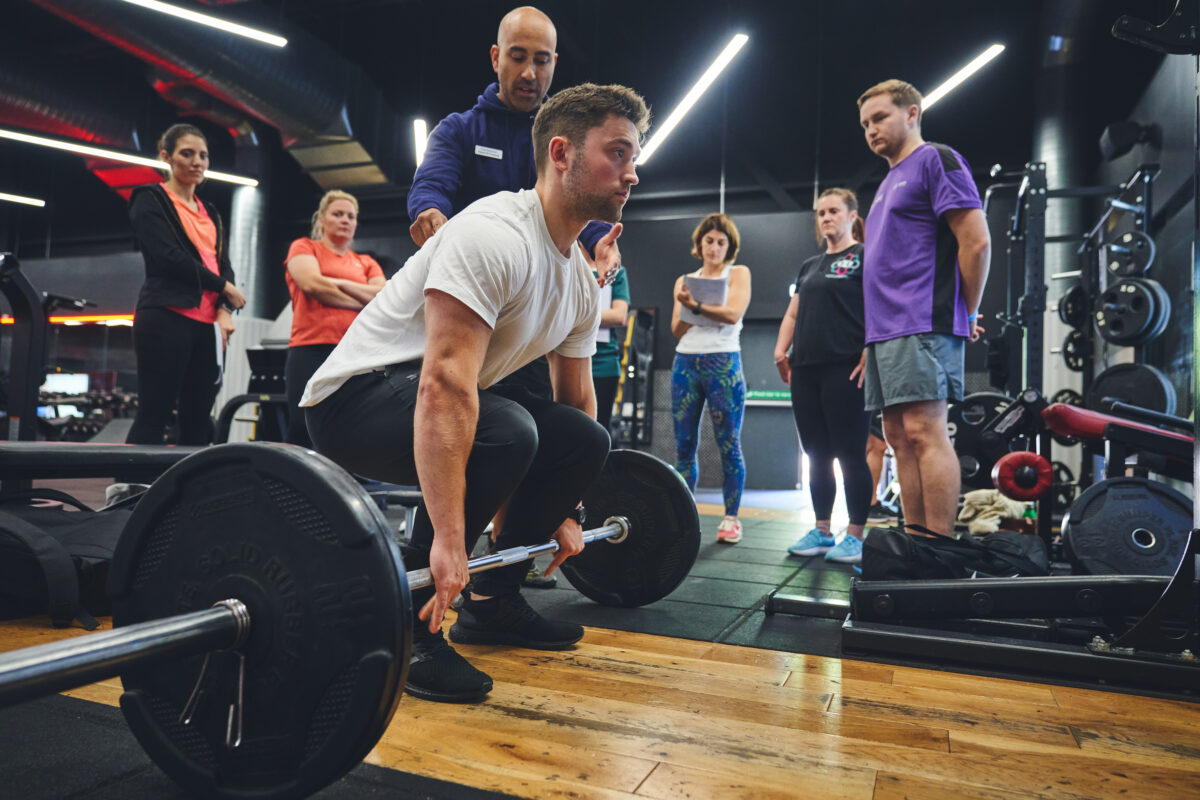
Longevity in the fitness industry is earned, not given. A provider that has operated for decades has been through industry shifts, regulatory changes, and evolving employer expectations – and has adapted. A newer provider may offer something exciting, but it hasn’t yet proven that its courses hold up over time, or that its graduates land and keep meaningful roles.
Look for evidence of sustained operation: how many years have they been running, how many students have they trained, and what has the industry said about their work over that period? Awards and recognition from independent industry bodies (not self-reported) are a useful signal.
It’s also worth looking at how the provider has evolved. A strong track record indicates whether they’ve invested in keeping their courses current and relevant.
A practical tip: search the provider on Trustpilot and Google Reviews. Volume and consistency of reviews over years tells you far more than a polished brochure/ and how a provider responds to negative feedback reveals their values.
A qualification is only as good as what it enables you to do. Before enrolling, it’s worth asking: where do this provider’s graduates end up? Are employers actively seeking their alumni, or is the qualification accepted but not sought after?
Some providers publish graduate success stories; others offer structured pathways to employment. The best go further: active relationships with employers, dedicated job boards, and guaranteed interview programmes. Look for tangible evidence of these connections, not just marketing language.
Student reviews are useful here too; but look at volume, consistency, and relevancy rather than cherry-picked testimonials. A provider with thousands of positive reviews over time is telling a different story to one with a handful of glowing quotes.It’s also worth thinking past your first role. Your provider’s reputation travels with you.
Our guide on how to get hired as a personal trainer breaks down what employers are actually looking for and how choosing the right provider puts you ahead from day one.
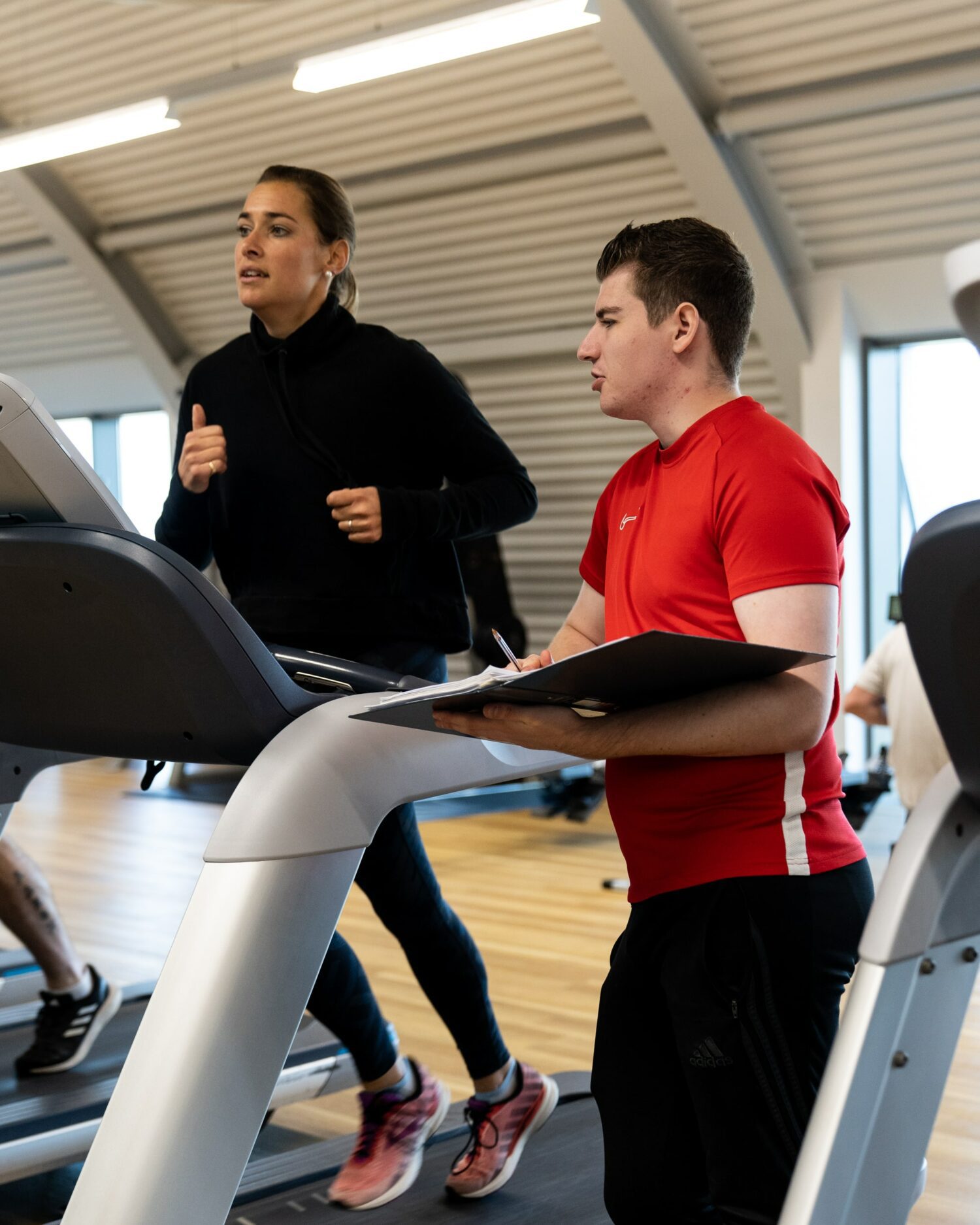
A fitness qualification that consists mainly of videos and online multiple-choice tests is a very different proposition to one that includes structured face-to-face workshops, expert-marked assessments, and real practical experience. Employers know the difference, as do your prospective clients.
When evaluating course quality, look closely at: who develops the curriculum (industry professionals, or generic learning designers?), how assessments are marked and by whom, what proportion of learning is practical versus theory-only, and whether the course content reflects current industry practice.
Face-to-face workshops in particular are a meaningful differentiator. They’re where technique is observed, corrected, and refined; something a video simply cannot replicate. If a provider doesn’t offer them, consider what that means for your readiness as a practitioner.
Your future clients are entrusting you with their physical health. The confidence to coach safely and effectively in a live environment comes from supervised, hands-on practice, not screen time. This is non-negotiable. Also ask about progression pathways. A provider offering routes from Level 2 through to Level 5 and into specialisms like nutrition, Pilates, or strength and conditioning, is investing in your long-term development, not just your first qualification.
Weighing up course formats? Our guide on personal training apprenticeships is worth reading alongside this one.
Studying while working, raising a family, or managing other commitments is hard. The right provider doesn’t just hand you materials and wish you well, they provide genuine, responsive support throughout your course and beyond.
Things to look for: dedicated tutors you can actually reach, a student community where you can connect with others on the same journey, clear guidance on what to do if you’re struggling, and resources that extend beyond the formal course to help you build a career.
Questions worth asking any provider before you commit:
The answers to these questions separate providers who genuinely invest in learner success, like Future Fit Training, from those who treat enrolment as the end of their obligation to you.
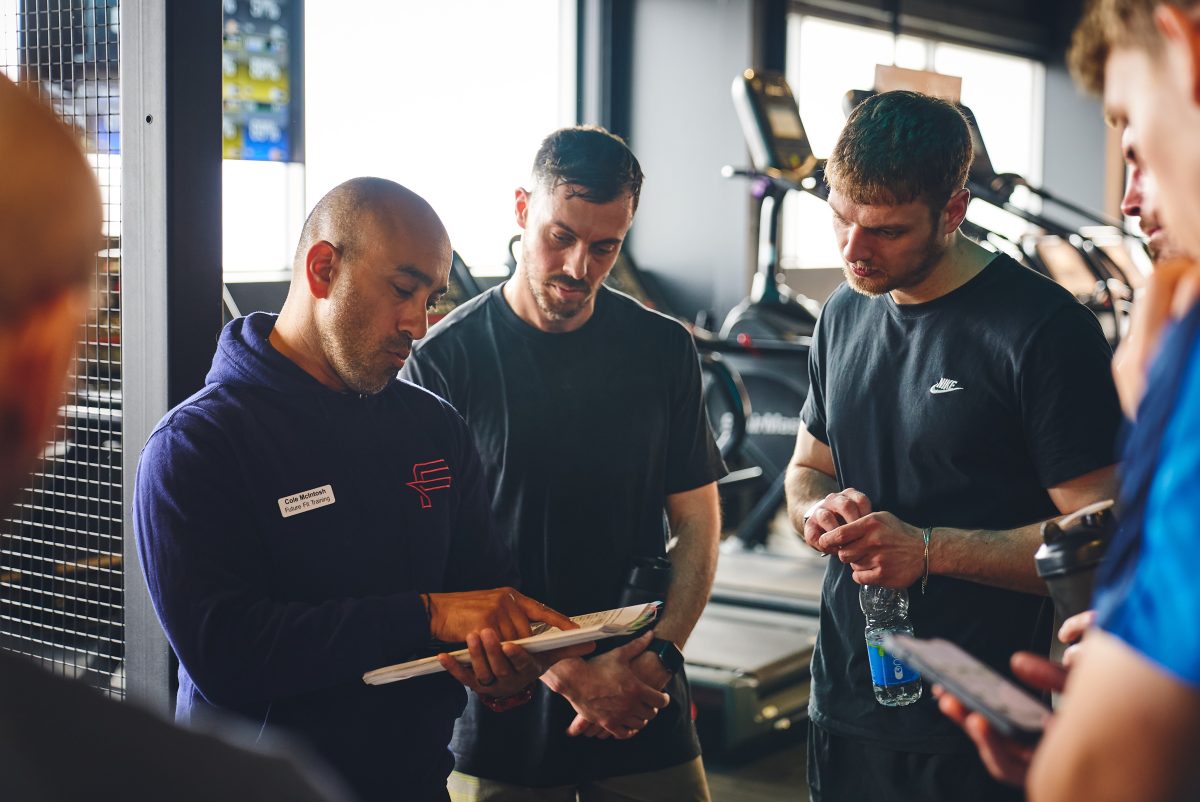
This is a consideration many learners overlook, understandably, because it feels uncomfortable to think about. But a fitness qualification typically takes several months to complete and represents a meaningful financial investment. It’s reasonable to ask whether the provider you’re handing that money to will still be operating when you finish.
Provider failure does happen in the training sector. When it does, learners can find themselves partway through a qualification with no clear route to completion. Look for providers with a long, stable operating history, transparent ownership, and a clear business model. Longevity, particularly when combined with significant student numbers and industry recognition, is generally a positive indicator of financial health.
Most people coming into PT training are doing so while managing existing commitments. The best providers have built their courses around that reality, as a core part of how they deliver training.
Look for blended learning models that combine self-paced online study with practical workshops (rather than requiring full-time attendance). Ask about workshop locations a provider with a single venue may not suit you geographically. And check payment flexibility: finance options can make a significant difference to accessibility without adding cost.
It’s also worth considering what your life might look like once you qualify. Being a personal trainer comes with its own set of scheduling demands and challenges. Our article on the challenges of being a personal trainer gives an honest picture of what to expect, including the flexibility (and unpredictability) of the self-employed PT lifestyle.
Not sure if personal training is the right path for you yet? Our guide on how hard it is to become a personal trainer is a great place to start before you compare providers.
Future Fit offers Personal Training courses from Level 2 through to Level 5, all fully accredited and supported from day one. We’ve been doing this since 1993. We know what it takes to produce qualified, confident, employable personal trainers, because we’ve done it tens of thousands of times.
The next step is a conversation. No pressure, just honest advice from people who know the industry inside out.