Guide to the Best Sports Massage Course in the UK in 2026
Learn what sports massage is, who it benefits, the core techniques used, and how to train professionally in the UK.
Learn what sports massage is, who it benefits, the core techniques used, and how to train professionally in the UK.
It is important that you don’t overlook your sports recovery process, especially if you are active or play any type of sport. Whether you are a beginner or a professional athlete doesn’t matter as exercising of any kind makes your muscles sore and tender, and you need to give your body the opportunity to repair properly. This is why most fitness buffs opt for sports massages as it acts as therapy for the body. However, unlike other types of massages, sports massages are quite different.
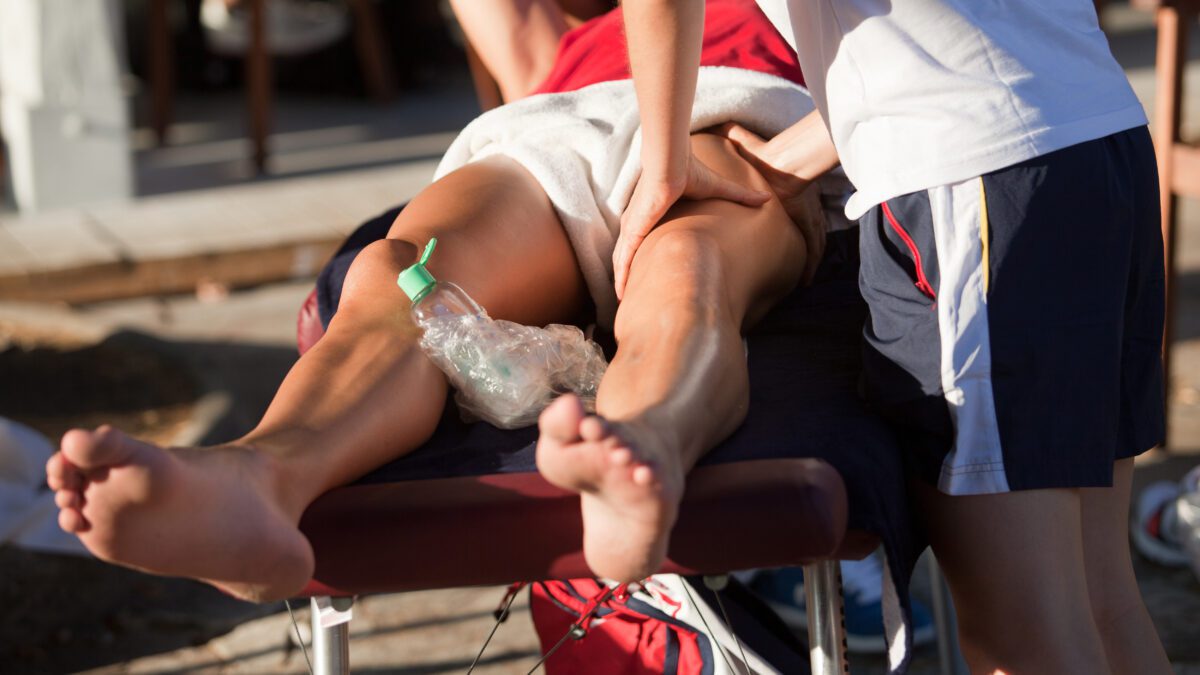
Sports massages are important for you if you have an active lifestyle, as it aims to prevent injuries, improve your athletic performance, and help with recovery. You can use this massage form during training, before your performance, after your performance, and for rehabilitation. It is no surprise that it is a popular choice amongst pro athletes. This article will discuss everything that has to do with sports massages from the benefits of getting one to training to become a sports massage therapist. But first let’s take a look at what exactly sports massage entails, shall we?
This article also helps you understand what sports massage therapy looks like as a career, and what it takes to train professionally in the UK.
Sports massage is a targeted form of soft‑tissue therapy designed to support people who live active, physically demanding lifestyles. While many associate it with athletes, it’s widely used by anyone who experiences muscular tension, movement restrictions, or discomfort from work, training, or everyday activity. By working with the body’s muscles, tendons, and ligaments, sports massage uses a range of hands‑on techniques to reduce tightness, improve mobility, and support healthier movement patterns.
Therapists may use methods such as kneading, effleurage, trigger point work, compression, and friction to release tension, encourage circulation, and restore ease of movement. Every treatment is tailored, before your session begins, your therapist will ask about your lifestyle, posture, activities, and goals to understand where your body needs the most support. Throughout the session, they’ll check in with you, adjust their approach, and focus on the areas that matter most to your performance, recovery, or wellbeing.
Timing is a very important principle of sports massage as the different types of sports massages are all related to timing.
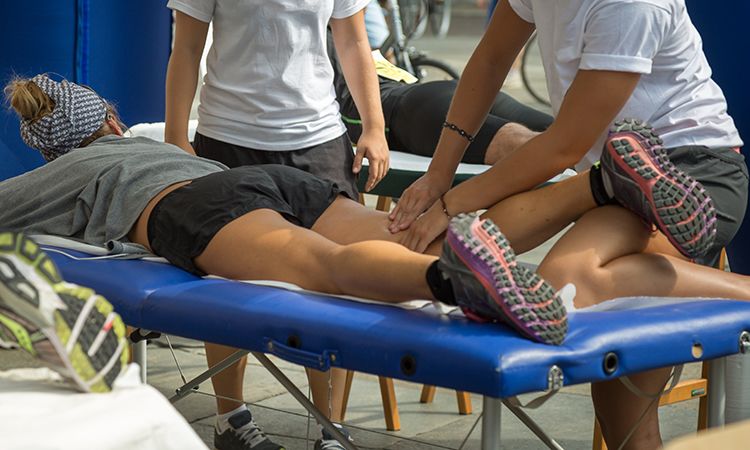
This is usually a light, stimulating session usually given 24 hours before the event or competition and it is directed towards the areas of the body that will be exerted. This massage prepares you physically and mentally for top performance as it removes cellular waste, alleviates aching muscles, and speeds recovery.
This session is focused on helping to normalize your body’s tissues so that it can restore to its pre-events conditions. Depending on the massage therapist, this massage can be given within 24 – 48 hours following the event or competition. Besides, this type of sports massage reduces recovery time, prevents muscle soreness, helps with circulation, and relaxes the muscles.
This massage is usually given to pro-athletes between personal training sessions to reduce the risk of injury and recovery time. This type of sports massage is important as it addresses any inflammation or tension that may become challenging if not treated.
As an active person or a fitness buff, this sports massage is focused on reducing your recovery time between workouts by decreasing muscle tightness and the potential for injury. You should book bi-monthly or weekly sessions if you have a very active lifestyle but your massage therapist can also devise a treatment program based on your lifestyle.
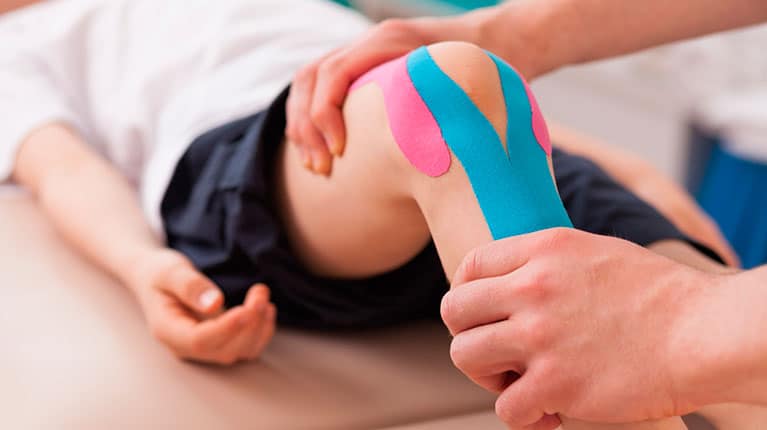
This session is focused on recovery from any form of injury, whether acute or chronic injuries. With this rehabilitative massage, your body will return to full health in no time, as it breaks down scar tissue, alleviates pain, reduces inflammation, and returns muscle flexibility to normal. Plus, the chances of re-injury is reduced significantly.
This type of sports massage uses different techniques to assess areas of tightness and bio-mechanical imbalances in your body to provide treatments that will aid in rebalancing your body. Thus, preventing injuries from cropping up.
There is no one distinct technique used in sports massage as the techniques used depends on the training of the massage therapist as well as your intent. Sports massage combines techniques from other disciplines like osteopathy and physiotherapy, and highlighted below are some of the commonly used techniques.
This stroking sports massage technique is very important as it has many purposes and benefits. Sports massage therapists use this method to spread different massage mediums like oils and cream on the body to warm up the tissues. The effleurage technique has a relaxing effect and it does a good job of stimulating the body depending on the application speed. Also, most massage therapists combine this method with others to work as a flushing procedure that helps lymphatic drainage and blood circulation.
The Kneading sports massage method, commonly referred to as petrissage, involves mobilizing the soft tissue in the body in different ways like squeezing, moving, or lifting. During this process, the massage therapist’s hand strokes apply pressure that employs a pumping action on the primary capillaries and veins, and as the pressure speeds up, blood and nutrient circulation increase. Besides, certified sports massage therapists regularly use this technique to aid in the delivery of nutrients and oxygen to the body, removal of waste products, and manipulation of body tissue.
Hacking sports massage is a form of percussion massage technique used by most massage therapists. With this method, the hand’s borders are used to briskly strike the tissues in a bid to stimulate and soften the area. This technique is very common and there are percussion massage guns available in the market for you to use to massage yourself. Additionally, this sports massage technique increases muscle tone, softens hard tissue areas, enhances blood circulation, and stimulates reflex muscle contractions.
The wringing sports massage technique is quite different from other methods as it involves lifting the tissues away from the bone and pushing it from side to side as the therapist’s hands move in the alternate direction. Because the massage therapists alternate between squeezing and releasing the tissues, this helps improve the blood circulation in that area while removing waste products. This sports massage method is beneficial as it stretches the muscles to release tension while improving the elasticity of the body tissue. Plus, just like other techniques, this one also aids in increasing nutrients and oxygen circulation in the body.
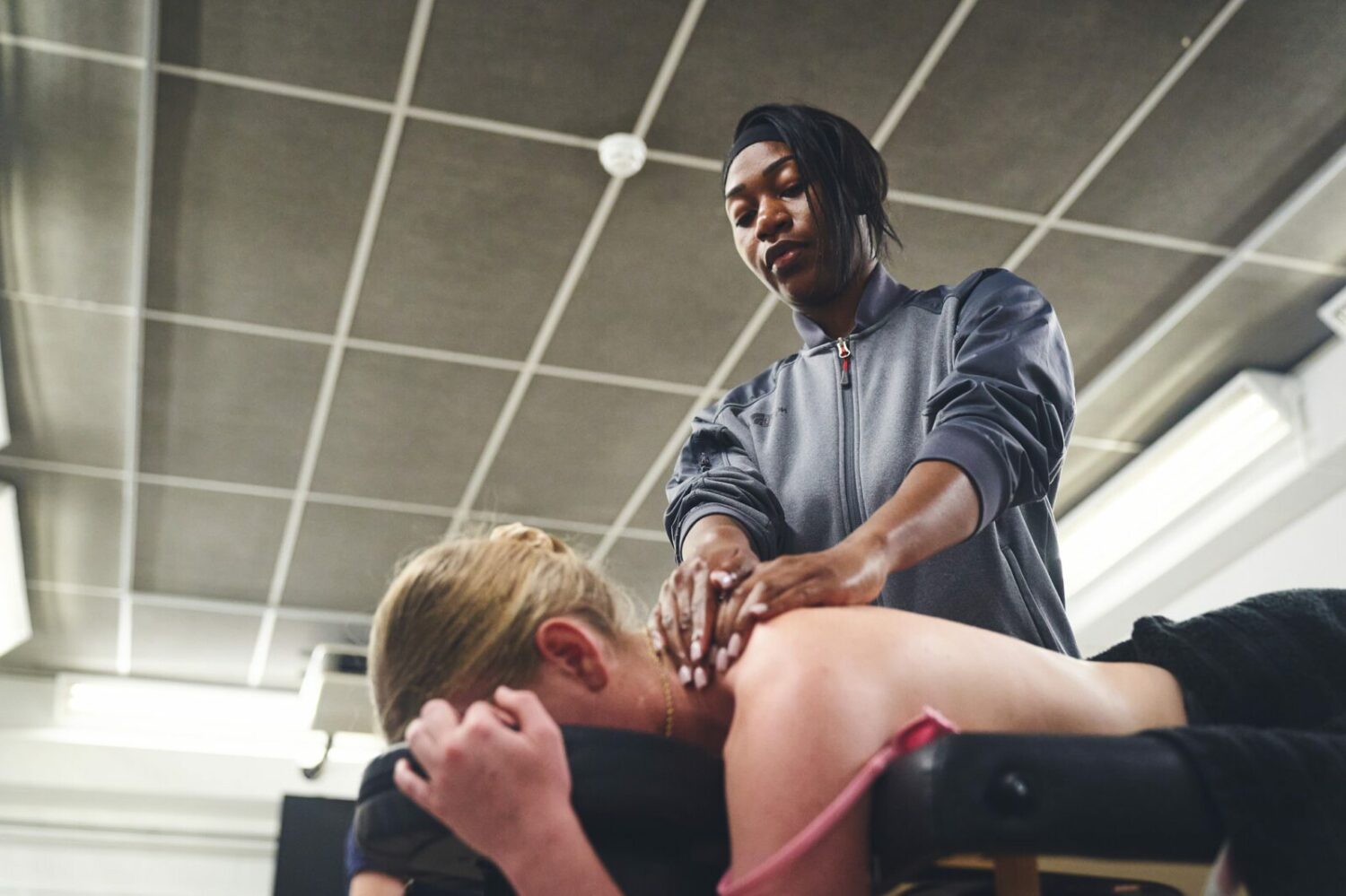
The trigger pointing sports massage method is designed to relieve pain, neutralise trigger points, and alleviate muscle tightness in different parts of the body. Most trigger points are areas within a muscle that is painful to touch, and they develop when tension builds within the tissues. With trigger pointing, pressure is directly applied to these trigger points to increase blood circulation and reduce pain. Massage therapists use this method as a form of recovery, maintenance or post-event massage method to prevent injury after a sporting event or workout.
Some other sports massage techniques include:
Throughout your training, you’ll learn how to perform each technique safely, effectively, and with the right level of pressure, including when to use them, and how they contribute to client outcomes.
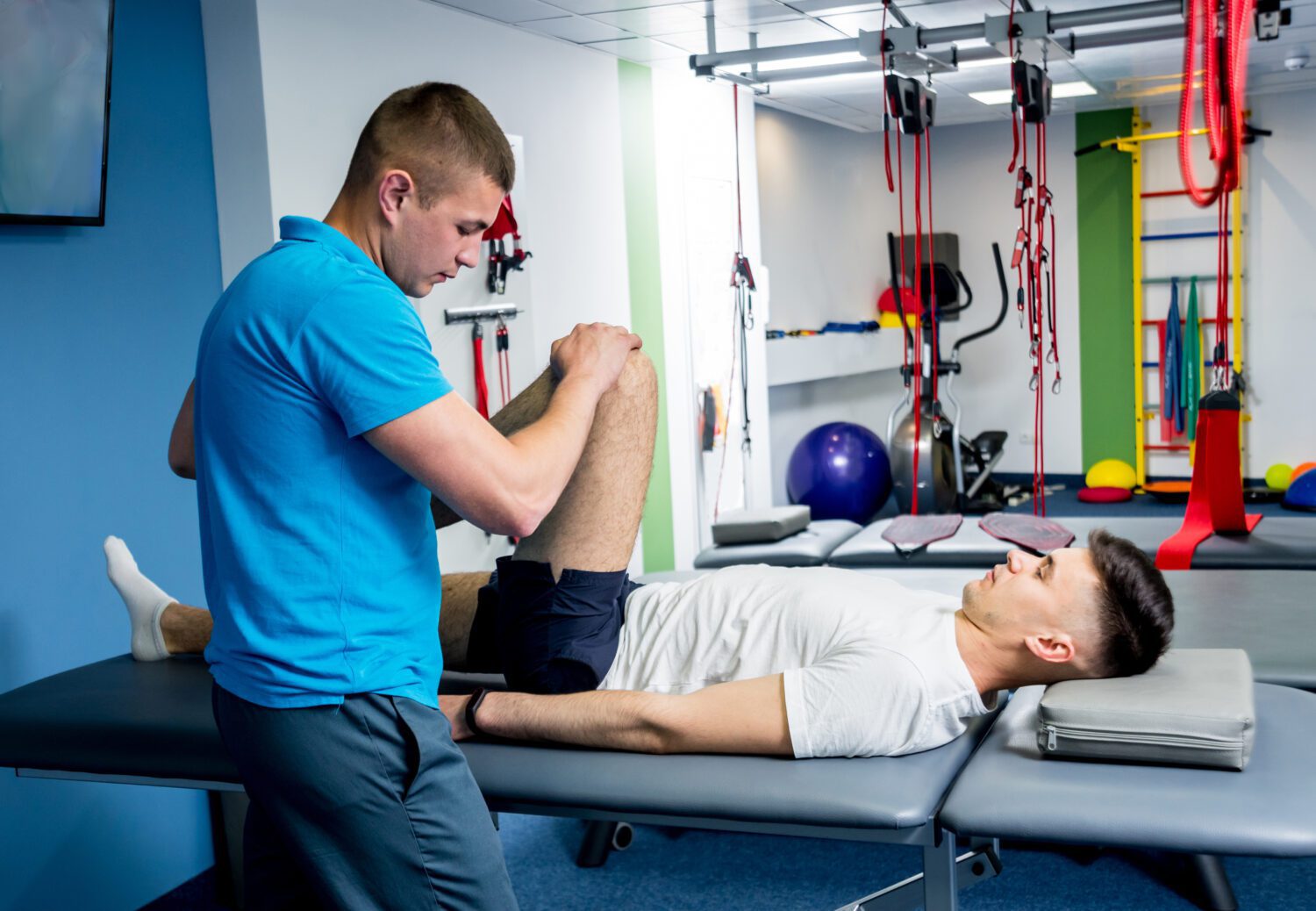
Becoming a Sports Massage Therapist in the UK is a clear and rewarding pathway, especially now, as demand for specialist massage and recovery-focused services continues to grow across the country. Reports show UK consumers increasingly prioritise regular massage, not as a luxury but as part of structured wellness routines, with strong growth in stress‑relief, recovery and specialist therapies.
Additionally, 11% of UK adults are receiving professional massage yearly, signalling a significant and expanding client base for trained therapists.
To begin working professionally, you’ll need the Level 3 Diploma in Sports Massage Therapy. This qualification by Future Fit provides the core skills required to practise safely and legally, including anatomy, soft‑tissue techniques, consultation protocols, and foundational assessment work.
Once Level 3 is complete, advancing to Level 4 Sports Massage course of Future Fit allows you to work with deeper dysfunctions, more complex injuries, and advanced assessment methods. This is the qualification that helps therapists stand out in an increasingly educated UK wellness market, where clients are actively seeking certified, skilled practitioners.
If you want to progress toward physiotherapy or clinical rehabilitation roles, Future Fit also offers an Access to HE pathway designed for learners building toward allied health professions.
Training with Future Fit means you’re supported from day one, with flexible study options, expert tutors, real‑world practical skills, and qualification pathways that grow with your career.
Now is an ideal moment to start a career in sports massage because the way people think about wellness, recovery, and long‑term health has fundamentally changed. Individuals are no longer waiting until they’re injured to seek support, they’re actively looking for preventative care, personalised hands‑on treatments, and specialists who understand how to keep the body moving well. This shift has opened the door for skilled therapists who can offer tailored recovery work, mobility support, and targeted soft‑tissue treatments that help people feel and perform at their best.
Gyms, boutique studios, hybrid training centres, and private wellness spaces are expanding the roles available to sports massage practitioners, while mobile therapy and self‑employed practices offer complete flexibility for anyone looking to build a lifestyle‑friendly career. With accessible training routes, strong progression opportunities, and a growing public appreciation for hands‑on recovery work, it’s an exceptionally promising time to enter the field. For new learners, that means more career options, more demand, and the freedom to build a career that fits your lifestyle.