What Does a Personal Trainer Do in 2026?
Complete 2026 guide to roles, qualifications, costs & how to become one
Complete 2026 guide to roles, qualifications, costs & how to become one
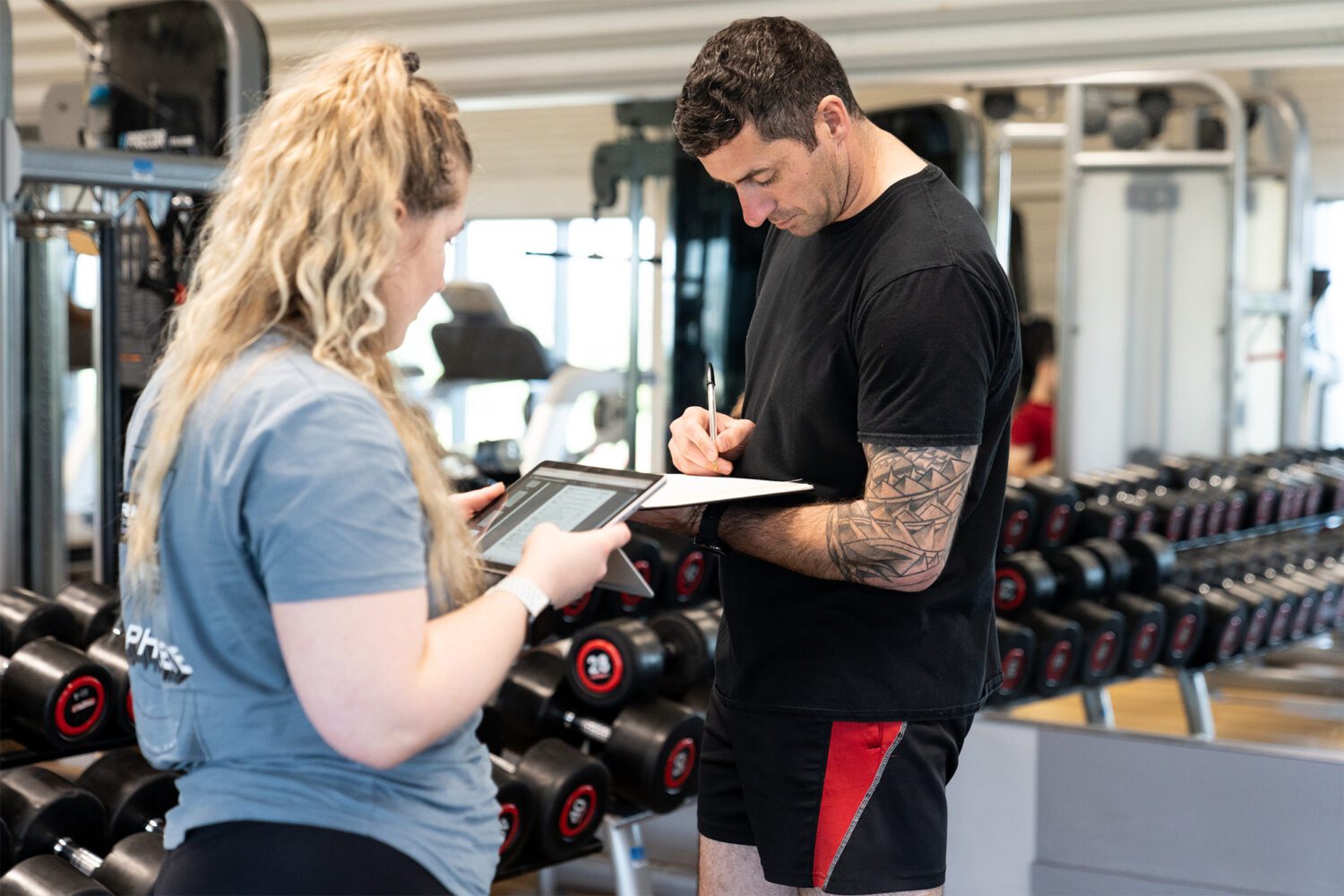
A Personal Trainer (PT) is a certified fitness professional who designs safe and effective exercise programmes to help clients achieve goals such as fat loss, strength development, sports performance, and improved health. PTs provide one‑to‑one coaching, small‑group training, and ongoing progress monitoring to keep clients motivated and accountable.
The job also involves monitoring the clients’ progress and it requires constant updating and continuing education via CPD courses.
Yes, UK Personal Trainers can provide general nutrition guidance that supports fitness goals. However, detailed dietary plans or clinical nutrition must only be provided by appropriately qualified specialists.
PTs with Level 4 nutrition or RSPH certifications are trained to offer structured, safe nutrition advice aligned to exercise goals.
Again, it depends on your goals for fitness and nutrition. You might have a deadline for an important sports event and start doing personal training 3 or 6 months beforehand. Or you might decide to try personal training for 1 month to see if you have any results. The decision normally depends on what your desired results are going to be.
Old Latins used to say “Mens Sana in corpore sano”, usually translated as “a healthy mind in a healthy body“. This means that getting a Personal Trainer to help you reach your fitness goals is one of the best things you could do to improve your quality of life. However, some people have special goals such as preparing for a competition, a marathon or because they are professional athletes so they hire personal trainers to help them train more efficiently and with better results.
This should be agreed between you and your personal trainer, on average 1 or 2 times per week is what most clients do.
Our recommendation is to enquire within your local gym or use search engines to find personal trainers near you. We have trained more than 40,000 students since 1993 across the U.K. so we know a thing or two about the best personal trainers out there.
In terms of credentials, here is what you need to check before hiring a personal trainer:

After you have purchased your first personal training sessions, this is what you should do:
Yes, they can. By completing a Level 4 Specialist Personal Trainer Course, trainers will have highly specialized skills that can tailor to your needs;
For example, do you want to run your first marathon? Maybe do you want to shed a few minutes off your mile? Your trainer can help design a fitness program specific to your needs, which will increase your performance and help prevent injury. If your answer to any of these questions was ‘yes’, you should consider hiring a Performance Enhancement Specialist. Their unique skill-set can help improve client’s athletic performance including their power, speed, and agility.
Below is a list of additional goals, and problems that personal trainers can help you with:
Our CPD courses provide the training solution for all the continuing professional development needs of every serious fitness professional.
The cost of a personal training session can vary anywhere in the region of £35-£65 per session. You can expect an average session to last between 45 minutes to one hour.
But why such a difference in the price range? As with any industry, those with a proven track record tend to charge more, with more experience, qualifications and client success stories. Some personal trainer’s offer a more cost-effective approach to paying per session. Instead, you can purchase training packages based on the number of sessions. A few factors which may affect the cost of hiring a personal trainer include;
If you want to hire a Personal Trainer in a gym, you have to add the gym membership on top of the fees. If you buy bulk sessions, you normally get a small discount, so speak to a personal trainer to find out more.
To work in the fitness industry, all personal trainers will have a level 3 certificate in personal training. This qualification will equip the personal trainer with the necessary skills, knowledge, and abilities to work with a wide range of clients safely and effectively.
As a Personal Trainer, you will need to be qualified at Level 3 in Personal Training which includes:
Personal Trainer’s can study for a Level 4 PT course and additional continuous personal development (CPD) courses such as: