
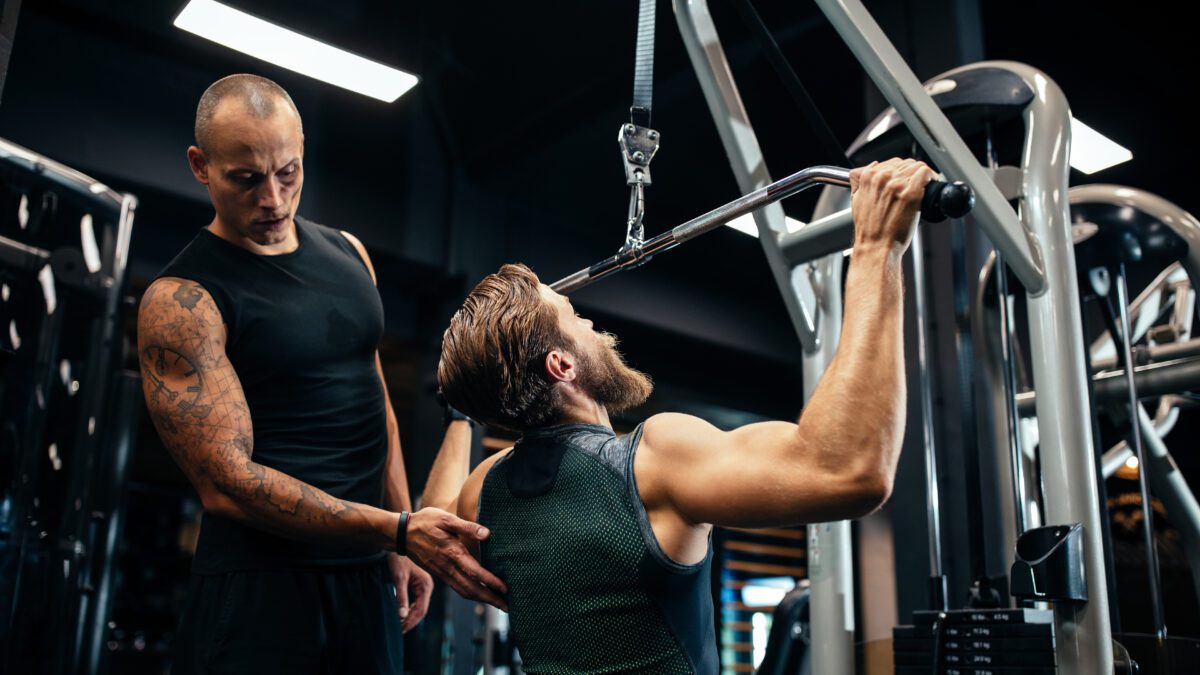
Considering a role in the fitness industry? Thinking you might like to become a gym instructor or personal trainer?
Great!
Through years of experience training some of the best the industry has to offer, we understand what the day to day of roles look like (and the skills and qualifications required).
We’ve broken down each job role in terms of responsibilities, qualifications, skills and salary. This will give you an idea of what you might do and help you decide if you are suited.
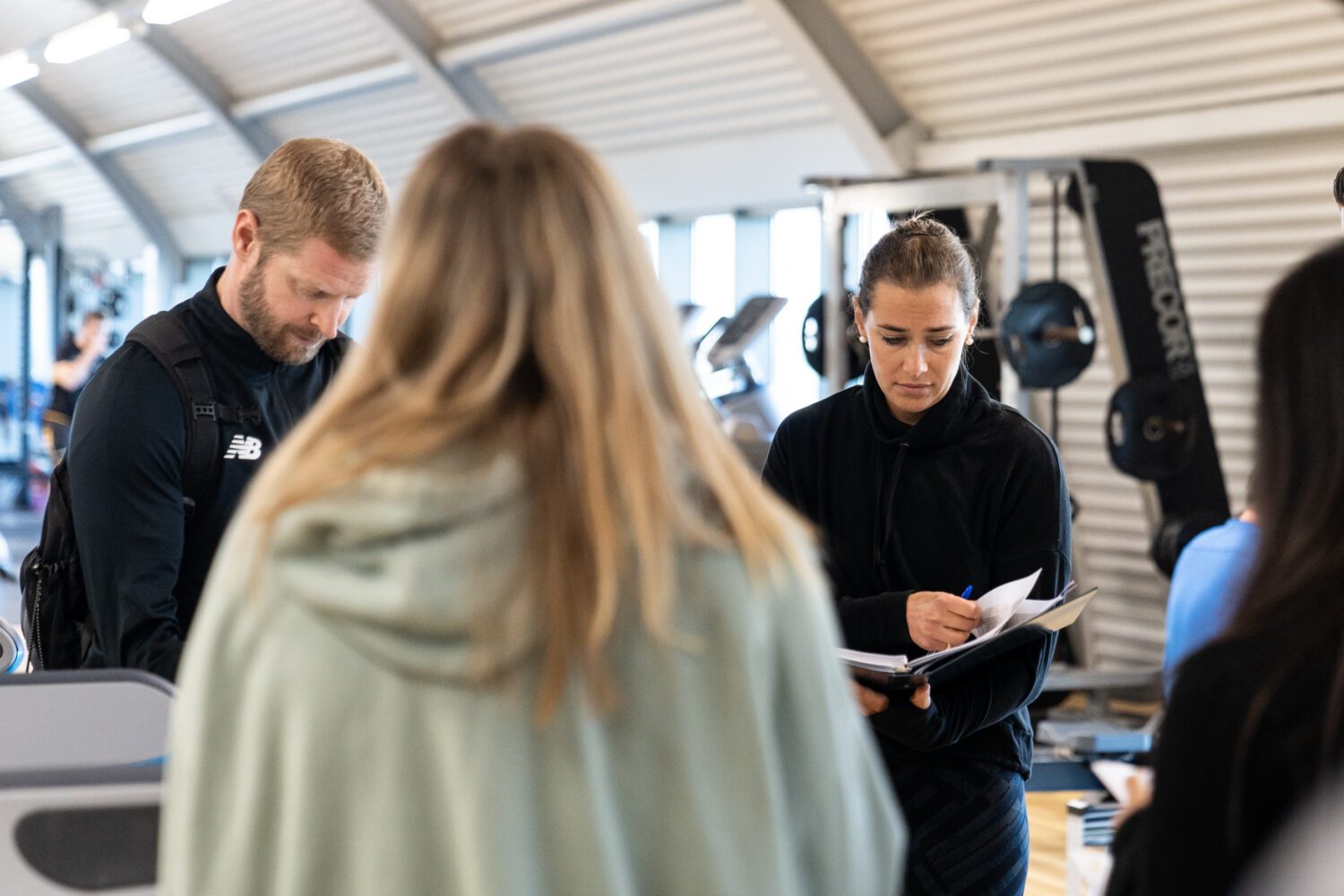
Gym instructors (also known as fitness instructors) help gym members to achieve their health and fitness goals.
£17,000 – £19,500 (If London-Based)
Essential:
Desirable:
As you would expect, gym instructors need to have skills centered around safe and effective gym usage.
This includes knowing how to use and instruct people on every single gym machine. They should also know how to deliver safe and effective group exercise classes.
Since gym instructors will be interacting with members all day, the best gym instructors tend to be outgoing, talkative, energetic, observant and hard-working.
You’ll need:
If you’re employed by a gym or fitness center then they will have their own insurance, so having your own is not essential. With that said, since insurance is fairly low cost it can be useful to take out insurance anyway to cover you for a variety of issues.
Most gym instructors tend to work on shift patterns, which provides flexibility, but can also mean early mornings and late nights.
At its best, the work of a gym instructor can make a huge difference in members’ lives. On the other hand, it can also involve wiping down sweaty exercise equipment at 10 pm on a Friday night.
Gym instructors most commonly progress into becoming personal trainers. There are also options to move into gym management roles within various clubs.
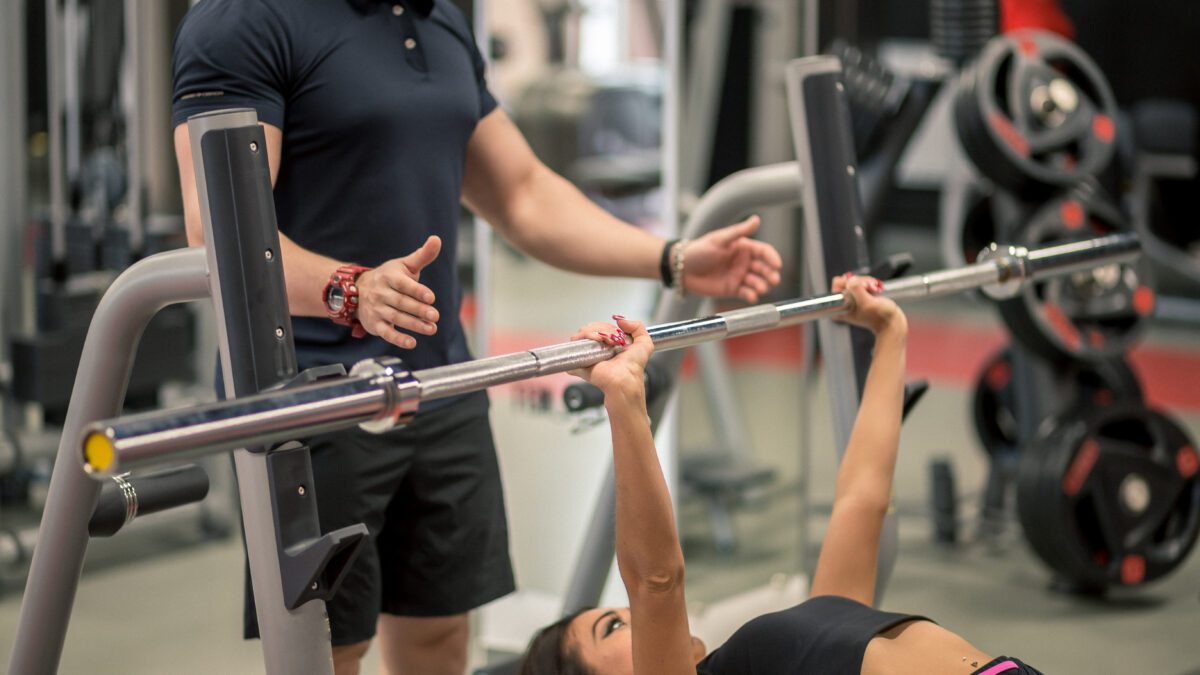
Every gym instructor and personal trainer role in the UK requires a minimum Level 2 Gym Instructor or Level 3 Personal Trainer qualification, Ofqual regulated and CIMSPA endorsed. Future Fit Training offers both, with flexible online study and face-to-face practical workshops across the UK.
A Personal Trainer creates one-on-one health and fitness programs to help clients achieve specific health and fitness goals. Personal Trainers will instruct and advise clients on the best way to use fitness equipment, weights and teach clients through fitness classes.
An average employed personal trainer earns in the region of £20,000-£24,000 per year.
Essential:
Desirable/Optional:
As you would expect, personal trainers need to have skills centered around helping people achieve health and fitness goals. This includes knowing how to design individualized exercise programs and how to coach people through the exercises on those programs. Trainers should also know how to build rapport and maintain client relationships
Since personal trainers will be interacting with clients all day, the best PT’s tend to be outgoing, talkative, energetic, caring and hard-working.
Since you’re employed by the gym or fitness center directly, they will have their own insurance, so having your own is not essential. With that said, since insurance is fairly low cost it can be useful to take out insurance anyway to cover you for a variety of issues.
Most employed personal trainers tend to work on shift patterns based on the busy hours of the gym (6am-9pm, and 5pm-8pm). This provides flexibility, but can also mean early mornings and late nights.
At its best, the work of a personal trainer can make a huge difference in clients’ lives. On the other hand, it can also involve a lot of frustration when trying to get difficult clients to change longstanding bad habits.
Employed personal trainers can progress into self-employment or set up their own business. There are also opportunities within gym management and tutor/educator roles.
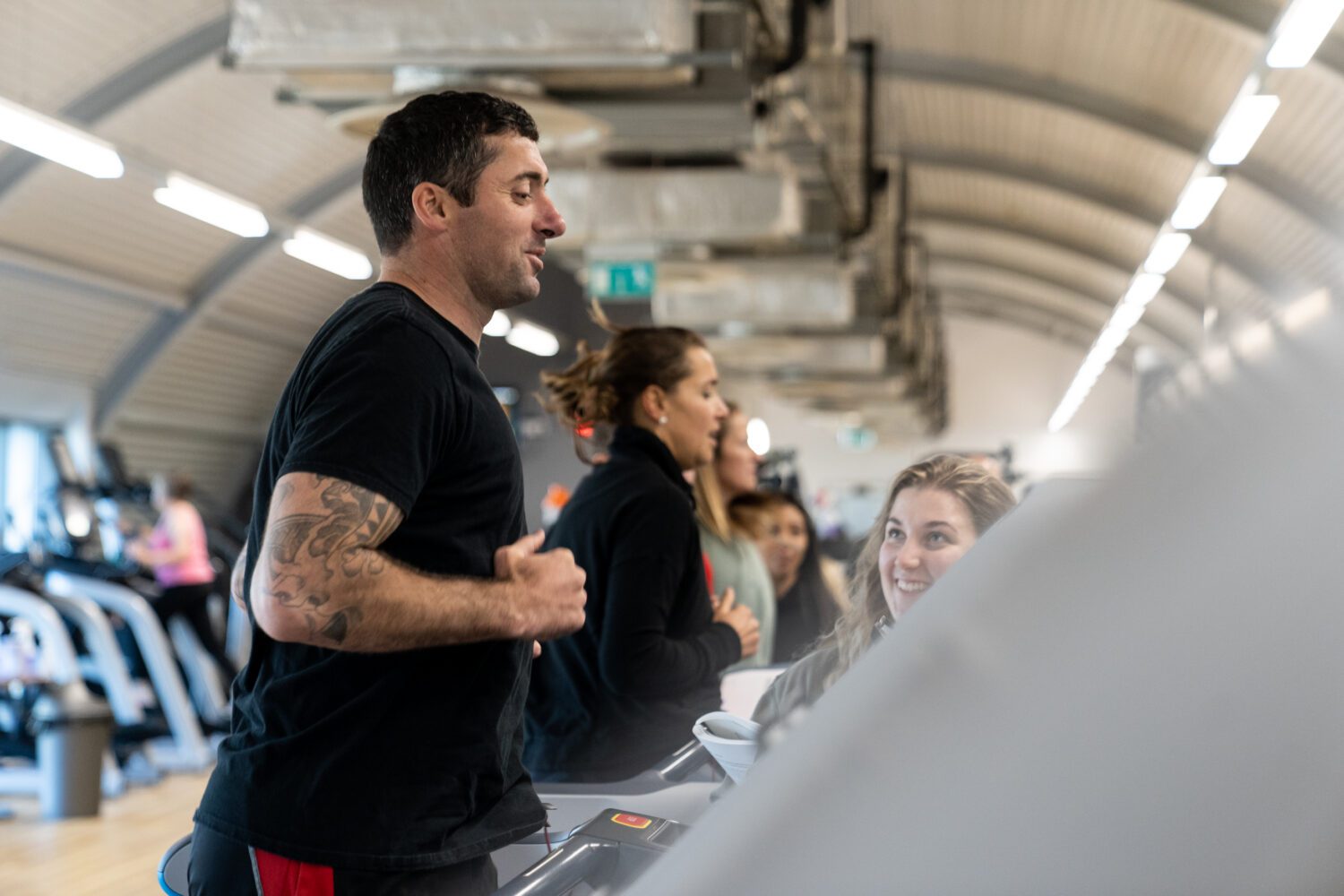
A Personal Trainer who works freelance or owns their own business will, similarly to an employed PT, work 1:1 with clients. They can provide a much higher level of support to help individuals reach their goals and create a more valuable experience.
Most commonly, PT’s work on a freelance or self-employed basis, often paying ‘rent’ to a gym in order to use their space and talk to the gym’s members. A self-employed personal trainer might also take their training online and run classes over Zoom or Skype. They could even set up a subscription service on their website for on-demand training videos.
A self-employed PT’s salary is highly variable (£12,000 to £50,000) depending on the number of clients, experience and location.
The average salary of a self-employed PT is £27,000.
Essential:
Desirable/Optional:
As you would expect, personal trainers are expected to have skills centred around helping people achieve health and fitness goals. This includes knowing how to design individualised exercise programmes and how to coach people through the exercises on those programmes. Trainers should also know how to build rapport and maintain client relationships.
Since personal trainers will be interacting with clients all day, the best PT’s tend to be outgoing, talkative, energetic, caring and hard-working.
Good quality insurance is essential for self-employed/freelance personal trainers. This should include public liability, professional indemnity, personal accident cover, loss of earnings cover and sports equipment cover (if you’re using any of your own kits)
Most freelance/self-employed personal trainers tend to work based on when their clients can get to the gym. For most people, this means before and after work, so expect most of your sessions to be delivered 6 am-9 pm and 5 pm-8 pm.
At its best, the work of a personal trainer can make a huge difference in clients’ lives and having control over your own business is fantastic. On the other hand, you can also find yourself paying for increasing gym ‘rents’ whilst struggling to find new clients.
Self-employed personal trainers can progress into setting up their own training studio or even opening their own gym. There are also opportunities within gym management and tutor/educator roles.
Initial Considerations:
What to Look Out For
A: To work as a personal trainer in the UK you need a minimum Level 3 Personal Trainer qualification that is Ofqual regulated and ideally CIMSPA endorsed. Most major gym chains including PureGym, David Lloyd, and Nuffield Health require CIMSPA-endorsed qualifications. Future Fit Training’s Level 3 PT course meets all of these requirements and can be completed in as little as 2–3 months.
A: A gym instructor holds a Level 2 qualification and can run gym floor sessions, inductions, and group programmes. A personal trainer holds a Level 3 qualification and can design and deliver one-to-one personalised training programmes, charge higher rates, and take on self-employed clients. Most PTs start with a Level 2 and progress to Level 3.
A: Employed personal trainers in the UK typically earn £20,000-£28,000 per year. Self-employed PTs with an established client base earn £35,000-£60,000. Gym instructors in employed roles typically earn £18,000–£24,000. Specialising in areas like nutrition, sports massage, or older adult fitness can significantly increase earning potential.
A: With a blended learning provider like Future Fit Training, you can qualify as a Level 3 Personal Trainer in as little as 2-3 months studying part time. This combines online theory modules with practical face-to-face workshops at locations across the UK.
A: No prior fitness qualifications or experience are required to start a Level 3 Personal Trainer course. You need to be at least 16 years old and have a reasonable level of personal fitness. Many of Future Fit’s 60,000+ graduates came from completely different careers before retraining as PTs.