SEND Training: Inclusive Practice for Adults
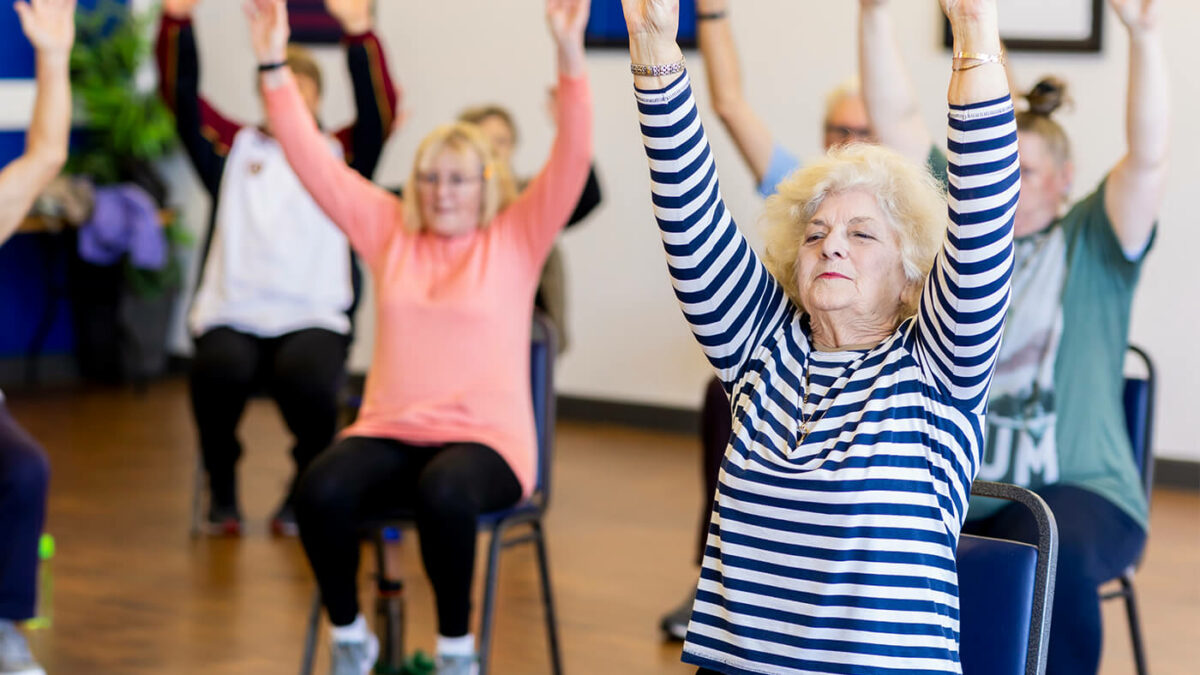
Gain the skills to deliver inclusive physical activity sessions for adults with disabilities.
Gain the skills to deliver inclusive physical activity sessions for adults with disabilities.
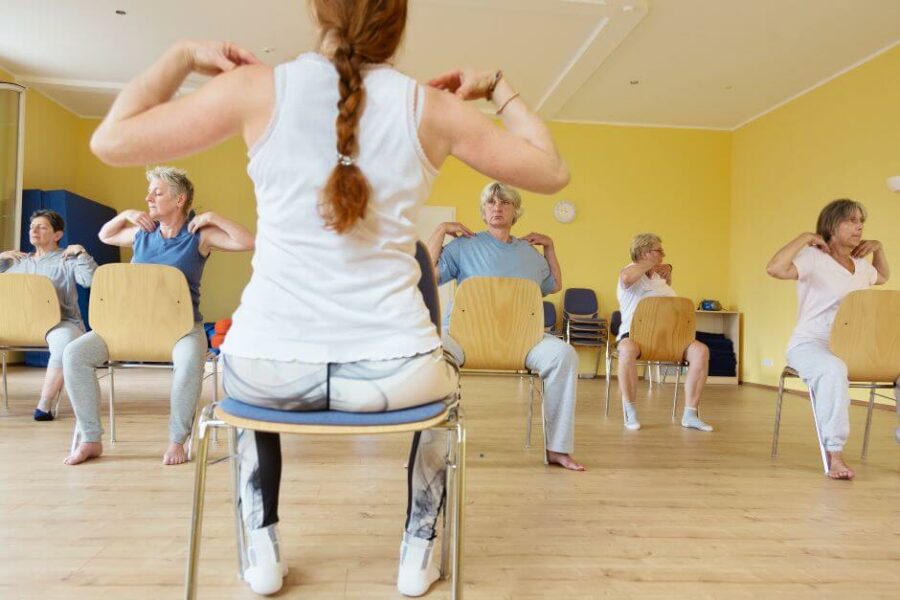
Adults with disabilities are twice as likely to be physically inactive compared to those without disabilities. This training will equip learners with the expertise to change that statistic by delivering inclusive physical activity sessions.
Learners will gain a vital understanding of various conditions, including Down Syndrome, Cerebral Palsy, and adult mental health needs. Through this course, learners will learn to support independence, build community connections, and create environments where every adult can thrive through physical activity. The training covers essential teaching strategies, communication techniques, and practical approaches to adaptation. Learners will discover how to make sessions truly inclusive while promoting wellbeing and independence.
By the end of this course, learners will be able to:
Introduces the course objectives, SEND delivery principles, and an overview of what participants will learn and how to approach the programme.
Explores foundational concepts like understanding disabilities, inclusion barriers, reflective practices, hidden disabilities, cultural challenges, and specific conditions such as autism and complex disabilities.
Focuses on the needs of adults with SEND, including Down syndrome, cerebral palsy, mental health challenges, and neurodiverse conditions such as ADHD and dyslexia, providing in-depth insights and strategies for support.
Covers the principles of inclusive lesson planning, including communication strategies, equality and diversity, safeguarding, mindfulness activities, and developing community and independence.
Offers practical guidance for real-world application, with example lesson plans, risk assessments, portfolio building, and certification to confidently deliver inclusive sessions for adults.
Adults with disabilities are twice as likely to be physically inactive compared to those without disabilities. This training will equip learners with the expertise to change that statistic by delivering inclusive physical activity sessions.
Learners will gain a vital understanding of various conditions, including Down Syndrome, Cerebral Palsy, and adult mental health needs. Through this course, learners will learn to support independence, build community connections, and create environments where every adult can thrive through physical activity. The training covers essential teaching strategies, communication techniques, and practical approaches to adaptation. Learners will discover how to make sessions truly inclusive while promoting wellbeing and independence.
By the end of this course, learners will be able to:
Introduces the course objectives, SEND delivery principles, and an overview of what participants will learn and how to approach the programme.
Explores foundational concepts like understanding disabilities, inclusion barriers, reflective practices, hidden disabilities, cultural challenges, and specific conditions such as autism and complex disabilities.
Focuses on the needs of adults with SEND, including Down syndrome, cerebral palsy, mental health challenges, and neurodiverse conditions such as ADHD and dyslexia, providing in-depth insights and strategies for support.
Covers the principles of inclusive lesson planning, including communication strategies, equality and diversity, safeguarding, mindfulness activities, and developing community and independence.
Offers practical guidance for real-world application, with example lesson plans, risk assessments, portfolio building, and certification to confidently deliver inclusive sessions for adults.
After working in inclusive environments for 20 years, this training reminded me how much things have changed. The course is very useful and will help trainers with or without experience working with people with SEND. I have learnt new insights and am excited to put them into practice with the new class I start this week.
- Katie, SEND Course Learner
Gain the skills to create inclusive physical activity opportunities for children and teens with SEND.
Learn to make dance accessible for adults with SEND while enhancing wellbeing and confidence.
Learn practical techniques to make dance accessible, engaging, and enjoyable for every participant.
Gain the skills to lead inclusive ParaStars Dance™ classes for children and teens of all abilities.
After working in inclusive environments for 20 years, this training reminded me how much things have changed. The course is very useful and will help trainers with or without experience working with people with SEND. I have learnt new insights and am excited to put them into practice with the new class I start this week.
- Katie, SEND Course Learner
Gain the skills to create inclusive physical activity opportunities for children and teens with SEND.
Learn to make dance accessible for adults with SEND while enhancing wellbeing and confidence.
Learn practical techniques to make dance accessible, engaging, and enjoyable for every participant.
Gain the skills to lead inclusive ParaStars Dance™ classes for children and teens of all abilities.